Published on 26th March 2026
In partnership with Five on a Bike
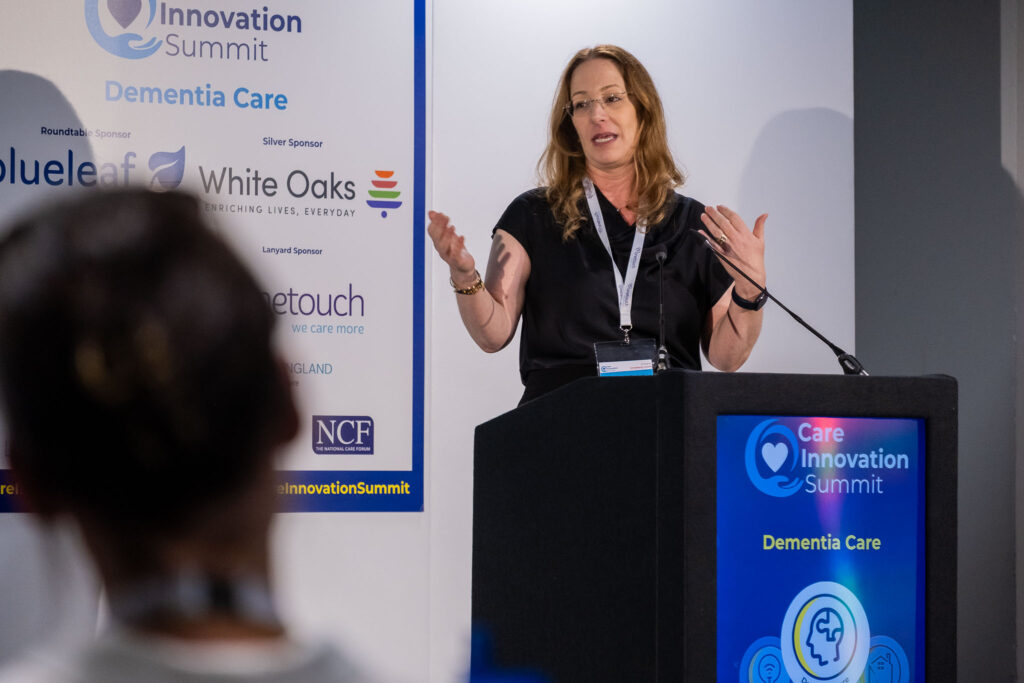
At Care Innovation Summit 2025, we spoke with Michelle Reshef, Founder of Dementia Prevention UK, in the Care Innovators Studio run by Five on a Bike.
Dementia Prevention UK is a charity with a mission to help people understand how to lower their risk of dementia. The core theme of this interview is that real innovation in reducing dementia risk lies in the daily choices we make, each one unique to the individual.
The number of people living with dementia continues to rise, needs are becoming more complex, and the social care sector is struggling to keep pace with demand. Michelle strongly emphasised that dementia prevention, and the fundamentals of caring for those living with dementia, start with a preventative lifestyle. This approach can help relieve pressure on the social care system by focusing on the cause rather than the outcome.
This article explores Michelle’s insights into how we can individually focus on preventing dementia, both for ourselves and for those around us, through everyday lifestyle decisions and a focus on living a positive, fulfilling life.
Understanding Dementia Risk: The ‘Seesaw’ of Daily Choices
Throughout our lives, we make a series of daily decisions, each with a small influence on our long-term health, contributing to a broader picture of wellbeing and dementia risk.
A key point Michelle highlighted was the concept of a ‘seesaw of risk reduction’.
This concept reinforces that no single decision defines our health; instead, it is the cumulative effect of choices made from morning to evening. Michelle outlined several daily factors that influence dementia risk:
- Sleep quality
- Hydration
- Diet
- Physical activity
- Social engagement
- Mental stimulation
Among others, these everyday behaviours shape our brain health over time when applied consistently and in balance. The key takeaway is that reducing risk is not about extremes or complex innovations, but about building healthy, sustainable habits over time.
Physical Activity and Movement: Small Changes, Big Impact
Among the daily habits discussed, Michelle highlighted the importance of incorporating movement into everyday life. She stressed the value of accessibility over extreme fitness.
She explained that people can introduce simple, consistent changes into their routines, such as walking more, taking the stairs instead of the lift, and encouraging movement throughout the day.
Physical and cognitive health are closely linked, with movement positively influencing cortisol levels, mental wellbeing and daily motivation. Many people find it difficult to increase activity levels due to busy lifestyles and the challenge of changing routines. Michelle emphasised that these adjustments can be introduced in small, manageable ways, without adding unnecessary pressure, while still focusing on what brings genuine enjoyment.
Medication and Health Management: Staying Consistent
Part of the discussion explored recent developments in medication and treatment for dementia.
They highlighted the importance of adhering to prescribed medication and positioning medical intervention as part of a broader lifestyle approach.
Michelle emphasised that prevention should remain the primary focus, reducing the need for medical intervention later in life, something largely driven by lifestyle choices.
Healthy Lifestyle vs Information Overload
The conversation also addressed the confusion surrounding health advice and the saturated landscape of conflicting information.
From dietary trends to increasingly complex interpretations of “healthy living”, many people struggle to identify what genuinely supports long-term health and reduces dementia risk.
Michelle simplified this by returning to common sense and sustainability. She stressed that the priority is to live a lifestyle that balances mental wellbeing with conscious decisions that support physical health.
In simple terms, this means planning your day in a way that supports your happiness, following your own logic, and doing what feels right for you.
Risk Reduction as a Daily Investment in Yourself
While implementing lifestyle changes can feel overwhelming, particularly in a saturated information landscape, Michelle reframed risk reduction as a form of daily self-investment, tailored to individual needs, preferences and routines.
She emphasised that the most important aspect of prevention is following your own logic and doing what works for you. This approach enables consistent changes that support both present happiness and long-term health.
Michelle highlighted a range of everyday activities that can support a healthier lifestyle and contribute to risk reduction:
- Reading
- Listening to music
- Socialising with loved ones
- Engaging with your work
- Eating food you enjoy
- Eating food that supports your health
These small, consistent actions reinforce wellbeing as the foundation of prevention. Michelle emphasised that feeling balanced and motivated supports long-term health far more effectively than restriction or striving for perfection.
A Simpler View of Innovation: Kindness and Consistency
A key message from Michelle was that innovation does not have to be complex or technology-driven, it can be simple and human.
She spoke about the role of kindness, both towards one’s self and others. This is a powerful and often overlooked factor in dementia prevention. She also highlighted the importance of external influences alongside personal behaviours. These influences include environmental factors, work-life balance and access to education.
To support consistency and meaningful daily change, Michelle encouraged:
- Being kind to yourself
- Being kind to others
- Avoiding over-reliance on future solutions
- Focusing on what can be done today
The key takeaway is that innovation happens in the present moment, just as much as it does in future developments.
Small Choices, Long-Term Impact
The overall message from this discussion is that no single change or breakthrough will transform dementia care and prevention. Instead, meaningful progress comes from small, consistent daily choices.
Through Dementia Prevention UK, Michelle champions risk reduction as an empowering and accessible approach. Her message centres on positivity, personal responsibility and the role of everyday actions in shaping long-term health.
Care Innovation Summit 2026 will continue to explore strategies for innovation in dementia care and addressing the growing pressures on the social care sector. Join care leaders from across the UK and be part of the conversations driving progress in dementia care.