Published: 23 May 2025
By Care Innovation Summit
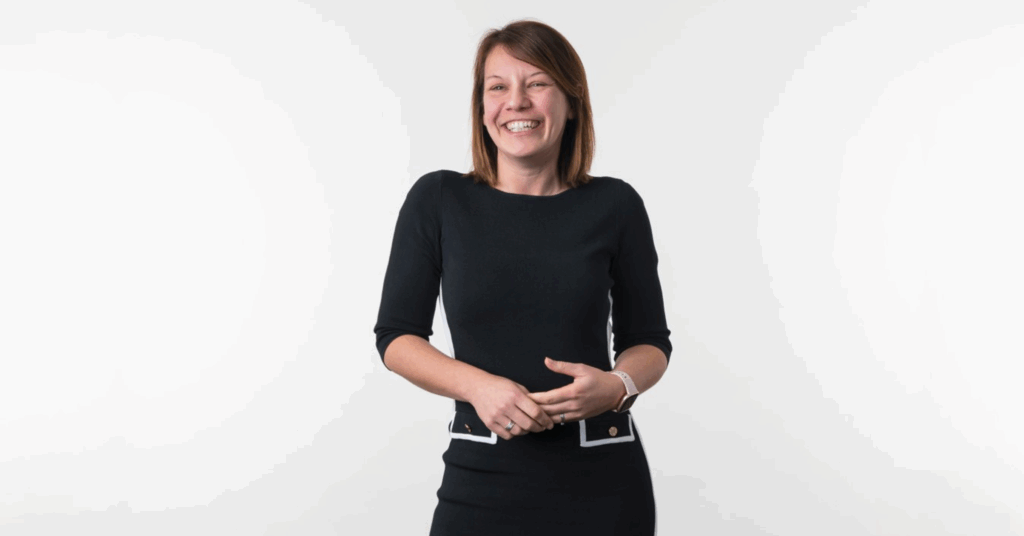
We’ve recently spoken to Melissa Magee, Managing Director at Carless + Adams, about her journey into care accommodation architecture. Drawing on experience, Melissa emphasises the importance of designing from dignity and how we can work collaboratively to move beyond a ‘one size fits all’ approach. She will share how thoughtful care home design can drive meaningful change at Care Innovation Summit this June.

What drew you to specialise in care accommodation architecture, and how has the sector evolved since you first started?
Melissa’s: I was drawn to designing for care to be able to make a difference to somebody’s wellbeing through architecture. Where we live has a huge impact on our lives, especially for those who are elderly. I joined Carless + Adams as a RIBA Part I architecture student and am now Managing Director so have seen many changes!
The elderly care sector has evolved dramatically for design since the early 2000’s with a focus on spatial requirements leading to an increase in standard room sizes, en-suite wet rooms becoming standard, increased communal and activity spaces to allow for residents and visitors to blend. Obviously, technology has changed how care accommodation is lived and worked in over the last few decades. We started year 2000 with few using the internet daily and now we are in a position where technology enables us to identify if a resident has a UTI from monitoring their urine waste! The technological developments are phenomenal.
As someone who leads a practice working with 15% of UK care operators, how do you approach projects that vary so widely in need and scale?
Melissa’s: Without sounding too cliché, through experience and knowledge!
Scale is an interesting one when you consider that the ideal size of a care home from a logistics, staffing and operational perspective is 70 beds. Yes, in the UK we have much smaller care facilities due to the historical development of care homes from residential homes, plus much larger ones where the demand lies, but the focus must be placed on the ideal operational size when designing for a new build.
Need is identified via a feasibility and needs assessment to ensure that the project will be a success. Every client has different requirements and responsibilities to their future residents and care givers that need focus on when developing a project. Concentration needs to be equal across all elements of design from the initial needs analysis to topography opportunities to building materials sourcing. All have an impact and importance for the viability and success of a project. We won’t suggest anything that won’t work and are more than happy to tell clients if that is the case!
What part of the design process do you find brings the most value to operators and future residents?
Melissa’s: Right at the beginning! Analysing client thoughts and ideals against space, environment and needs. If plans are not developed in a detailed and thorough manner then operationally it will not work and cause huge issues for residents and care givers and will not have longevity.
Your panel touches on designing for dignity – what architectural choices do you think help create environments where residents feel truly at home?
Melissa’s: Designing space to allow for personal private space, which could be above recommended bedroom size to nooks for families to gather. Care homes should be welcoming – the choice has been made for it to become someone’s new home so it should feel as such. Flow around the care home should be easy and encourage activity and blend the outside with the inside. Keeping active either through walking in landscaped gardens or joining in a craft session will encourage residents to become familiar with each part of the care home and use it. Space, light and views have a huge impact on wellbeing, and we always design to consider the topography and landscape to welcome it into the care home.
How can architects and operators work together to challenge the ‘one size fits all’ model in care home design?
Melissa’s: Recognising that humans do not have a ‘one size fits all’! We are all unique and therefore architectural design should represent this. For care there are certain elements that need to be included to ensure that it is operationally efficient and meets certain legal requirements, but this should not impact architectural design. Replicating a design time and time again does not work for operators or the local environment – it’s dull and unimaginative. We want to inspire people to the love where they live, so why design anything less?!
To hear more from Melissa, during her session in the Future of Care Stream, book your Care Innovation Summit ticket today.