Create in partnership with Five on a Bike
Published: 29 January 2026
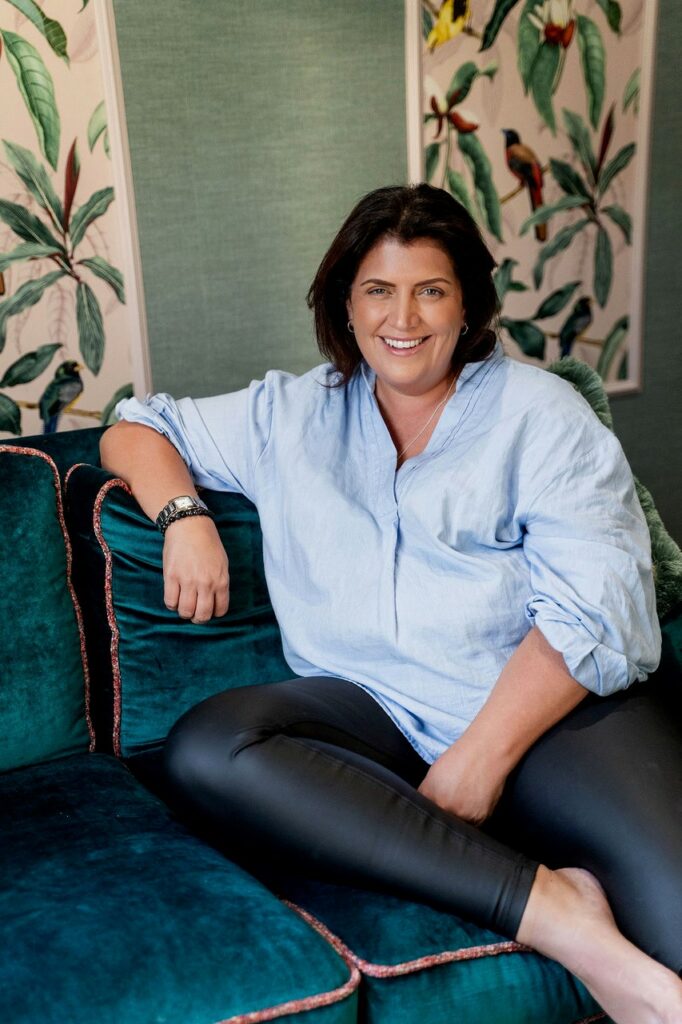
At the 2025 Care Innovation Summit in London, Kerry Southern-Reason, CEO and Founder of Care Home Interiors Company, shared a deeply practical and personal perspective on how interior design directly shapes resident wellbeing. Speaking in the Care Innovators Studio, run by Five on a Bike, Kerry explored why thoughtful design is no longer a ‘nice to have’, but a core part of quality care delivery across social care.
With a rare combination of backgrounds as both a chartered accountant and a chartered interior designer, Kerry approaches care environments through two lenses: financial realism and human impact. Her business delivers an end-to-end service, covering interior design, manufacturing and fit-out, with all stages managed in-house. This long-term, joined-up approach means her team often returns to homes a decade or more later to refurbish spaces they originally designed, supporting long-term resilience in the care sector.
From new builds to refurbishment-led thinking
For many years, Care Home Interiors worked predominantly on new builds. That balance has now shifted decisively. Rising interest rates, land prices and construction costs have changed the economics of development, making refurbishment a more viable and often necessary option for providers and care home owners.
Kerry explained that homes built just a few years ago would now cost millions more to replicate. As a result, operators are increasingly investing inward, upgrading existing buildings rather than expanding their estate. At the same time, the market has become more competitive. In areas with multiple providers, older homes that fail to modernise can see occupancy drop quickly as families gravitate towards newer, more visually appealing alternatives. It is a challenge many leaders across the care sector are now navigating, especially as expectations continue to rise.
In this environment, refurbishment plays a strategic role. A well-designed interior not only helps protect occupancy but can also support gradual fee increases. More importantly, it helps families feel confident in their decision. Kerry noted that many relatives carry a deep sense of guilt when moving a loved one into care. Walking into a space that feels warm, homely and familiar can significantly ease that emotional challenge. As one family member told her, if it feels like somewhere they would happily live themselves, the decision becomes easier to live with.
Environment as a driver of behaviour and wellbeing
One of the most powerful themes in the conversation was the direct relationship between environment and behaviour, particularly for residents living with dementia or other forms of cognitive or sensory impairment.
Kerry shared an example of a home that had been left with stark white walls, blue carpet, red furniture and little else. There were no curtains, no books, no personal objects or meaningful activity, making the atmosphere feel clinical and barren. Residents felt distressed and agitated, and aggression increased both between residents and towards staff. For Kerry, it was a clear reminder that design choices in social care settings can either reduce anxiety or unintentionally amplify it.
Following an eight-week refurbishment, the same space was transformed into a calm, domestic environment with softer colours, appropriate contrast, familiar furnishings and personal touches that helped residents orient themselves and feel secure. The change in behaviour was almost immediate. The emotional tension in the home dropped, residents became calmer and more settled, and staff reported a noticeable difference in day-to-day interactions.
For Kerry, this reinforced something she has seen repeatedly over the years: when you change the environment, you often change the behaviour. Interior design becomes a form of non-clinical intervention that supports both residents and care teams, and it sits at the heart of effective care design.
Small decisions, meaningful impact
Not all care innovation requires major investment or new technology. Kerry spoke passionately about the power of small, thoughtful decisions. One example was as simple as adding wallpaper inside a lift rather than using a standard wood finish, creating a noticeable emotional impact with negligible cost difference. A resident proudly described feeling “posh” because her home had wallpaper in the lift, creating a sense of joy and dignity that stayed with her.
Kerry explained that she regularly returns to homes after projects are complete to observe how spaces are being used. She prefers honest feedback over polite approval, and often finds it is residents who reveal whether a design choice has truly worked.
Rethinking ‘innovation’ through practical design
Looking ahead, Kerry challenged the idea that innovation in care must always be technological or expensive. She highlighted the growing importance of Light Reflectance Value (LRV), not as a design trend, but as a practical response to ageing eyesight, and a way to apply care innovation in everyday settings.
Using dining rooms as an example, she explained how placing pale food on white plates on white tablecloths can make meals difficult to see for residents with visual deterioration. By introducing contrast through coloured tablecloths or tableware, homes may be able to improve visibility, appetite and overall dining experience. These are simple changes, but ones that could meaningfully affect nutrition and wellbeing, while supporting better outcomes across the care sector.
For Kerry, this kind of thinking represents “innovation right in front of us”. It is rooted in observation, empathy and common sense, rather than complex systems or large budgets, and it is a mindset that many care home owners can apply immediately.
Designing for the person, not just the place
Underlying all of Kerry’s insights is a belief that the most effective design starts with understanding the individual. Who was this person before they entered care? What routines, preferences and roles shaped their identity?
She shared an early experience in her career where a resident became aggressive during a fit-out, repeatedly grabbing her clipboard. After learning that he had previously worked as a site manager, she handed it to him. Instantly, his behaviour changed. He stood beside her all day, content and calm, because he felt he had regained a sense of purpose.
The lesson, Kerry explained, was simple but profound: when people are placed in environments that reflect who they are, they are happier, calmer and more themselves. Interior design plays a key role in creating those environments, not by imposing uniform solutions, but by enabling familiarity, autonomy and dignity. This person-led approach is a core part of effective care design, especially in dementia environments.
A quieter, more considered space for conversation
Reflecting on the Care Innovation Summit itself, Kerry praised the event’s more intimate format. Compared with larger exhibitions, the quieter theatres and contained spaces made it easier to listen, reflect and engage in meaningful discussion. For her, that mirrored the principles she applies to care environments: reducing sensory overload, creating calm and allowing people to focus.
As a care conference, the Summit also brings together operators, suppliers and sector leaders to share practical thinking that can be applied immediately. That blend of conversation, real-world experience and actionable ideas is what makes the event a valuable care home summit for providers focused on raising quality and strengthening long-term performance.
In a sector under increasing financial pressure, Kerry’s message was clear. Every pound spent must work hard, but value is not only measured in durability or compliance. When interiors are designed with care, insight and intention, they can transform daily life for residents, support staff and help families feel at peace with some of the hardest decisions they will ever make.
Join us at Care Innovation Summit 2026
Join us at Care Innovation Summit 2026 to dive deeper into how design and build can transform quality of care, the lived experience and deliver practical benefits in sustainability and attracting investment. As a leading care conference for the care sector, it brings together experts and decision-makers across social care to explore what works in practice.
Super Early Bird tickets are now available – Book Now