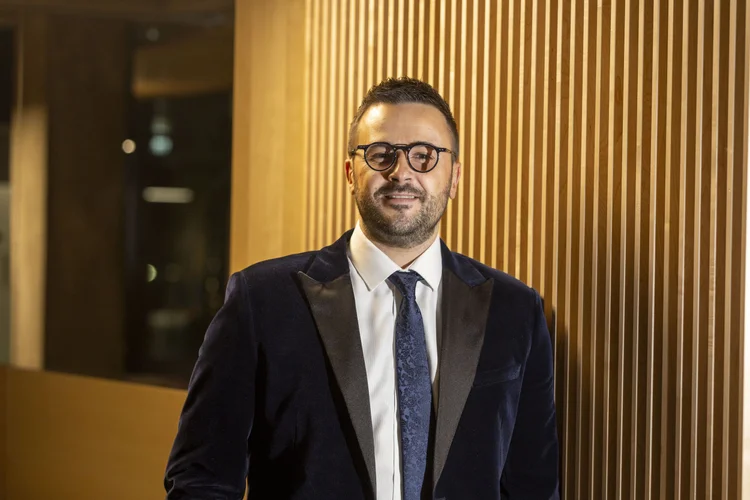
By David Wilson-Wynne, Director – Innovare Dementia Consultancy
Date: 27 November 2025
Language shapes reality. The words we choose when speaking about and with people living with a dementia have profound effects on their dignity, identity, sense of self, and quality of life. Dementia affects over 55 million people worldwide, yet the language surrounding it often reduces individuals to their diagnosis, emphasises loss and decline, and inadvertently strips away identity. By shifting our language, we can transform care practices, challenge stigma, and honour the humanity of every person living with a dementia.
The journey towards more inclusive language is not about achieving perfection or following rigid rules. It is about cultivating awareness, practising compassion, and remaining willing to learn and adapt. Every interaction is an opportunity to affirm someone’s humanity through the words we choose.
The Power of Words
Language does more than describe reality; it constructs it. When we use deficit-based language that focuses solely on what someone can no longer do, we create a narrative of loss that shapes how carers approach interactions, how families grieve relationships that are still present, and how people with a dementia view themselves. This narrative becomes a self-fulfilling prophecy, limiting opportunities for connection, growth, and meaning.
Conversely, when we use language that acknowledges strengths, preferences, and ongoing personhood, we create space for possibility. We enable care partners to notice moments of connection they might otherwise miss. We help families recognise that whilst relationships change, they remain valuable and real. We support people living with a dementia in maintaining their sense of self and agency.
Research in social psychology demonstrates that labels and categories profoundly influence behaviour and outcomes. Studies have shown that the language used by carers directly influences their attitudes, approaches to care, and the emotional wellbeing of people living with a dementia. When care staff are trained to use person-led language, they demonstrate more patience, creativity, and warmth in their interactions. When families adopt inclusive language, they report lower levels of care partner burden and higher quality relationships.
Stigmatising language, by contrast, contributes to social isolation, depression, and reluctance to seek diagnosis or support. People who have internalised negative narratives about dementia may delay seeking help, withdraw from social connections, or resist participating in activities they would enjoy because they believe the narrative that they are “no longer themselves” or “already gone.”
The power of language extends beyond individual interactions to shape societal attitudes and policy decisions. How we speak about dementia as a community influences funding priorities, research directions, the design of care environments, and the broader cultural narrative about ageing and cognitive change.
The Value of Saying “A Dementia”
Use of the phrase “a dementia” when referring to different types or causes of dementia. Whilst this may initially sound grammatically unusual to some ears, it serves an important purpose in promoting awareness of the diversity of dementia conditions and the individualised nature of each person’s experience.
Using “a dementia” encourages us to think more carefully about the specific condition affecting each individual. Rather than treating dementia as a single, monolithic experience where everyone has the same symptoms and follows the same trajectory, this phrasing prompts healthcare professionals, carers, and families to recognise that there are many different types of dementia, each with distinct characteristics, progression patterns, and care needs.
Promoting Individualised Care
The phrase “a dementia” serves as a linguistic reminder of several important principles:
One size does not fit all: Care approaches that work well for one type of dementia may be less effective or even contraindicated for another. Someone with Lewy body dementia, for example, may have severe adverse reactions to certain antipsychotic medications that might be safely used in other dementia types. Understanding which dementia a person has, directly informs appropriate care strategies.
Specificity matters: Accurate diagnosis of which dementia a person has can inform treatment options, support strategies, and planning for the future. Different dementias have different prognoses, different typical trajectories, and different implications for family members (particularly regarding genetic factors).
Each person’s experience is unique: Even within the same type of dementia, individual experiences vary significantly based on countless factors including age, general health, life history, personality, support systems, and more. The phrase “a dementia” reminds us that we’re always talking about an individual person with their unique manifestation of a specific condition, not a generic “dementia patient.”
Language shapes thinking: How we speak influences how we conceptualise conditions and approach care. When we use language that emphasises diversity and specificity, we’re more likely to provide truly individualised, appropriate support.
So what can we do, moving forward?
Language is never neutral. The words we choose either reinforce stigma and diminish dignity, or they affirm identity and enable connection. For people living with a dementia, the stakes are particularly high because cognitive changes can make it harder to advocate for oneself or push back against disrespectful treatment. This makes it all the more essential that those of us who interact with people living with a dementia—whether as family members, professional carers, healthcare providers, or community members—commit to using language that honours their humanity.
Each of us has the power to make different language choices, starting today. Whether you’re a healthcare professional seeing patients in clinic, a care home worker supporting residents through daily activities, a family member caring for a loved one at home, a friend maintaining connection with someone whose communication has changed, a neighbour noticing someone in your community who seems to be struggling, or a journalist reporting on dementia-related issues—the way you speak to and about people living with a dementia matters profoundly.
This is not about political correctness or walking on eggshells. It’s not about following rigid rules or achieving linguistic perfection. It’s about basic human respect. It’s about recognising that a person with a dementia is still a person, still deserving of dignity, still capable of connection, still here. It’s about understanding that how we speak shapes how we think, which shapes how we feel, which shapes how we act.
The evidence is clear: language has measurable impacts on quality of life, wellbeing, and care outcomes for people living with a dementia. When we use person-led language, people with a dementia report feeling more respected, more included, more seen. When carers adopt inclusive language, they experience less burnout and maintain more positive relationships. When healthcare organisations transform their language culture, care quality improves across multiple measures. When societies shift their language, stigma decreases and inclusion increases.
As we face an ageing global population and increasing numbers of people living with a dementia, our collective response will be measured not only in medical advances, research breakthroughs, and care facilities built, but in how we treat our most vulnerable community members. Language is where respect begins. It’s the foundation upon which all else is built.
The invitation is simple but requires ongoing commitment: Pay attention to your words. Notice when language diminishes or disconnects. Choose words that honour the person. Speak with rather than about. Listen deeply. Be willing to learn and change. Extend compassion to yourself when you make mistakes and extend it to others who are also learning. Create communities—whether families, care teams, or entire neighbourhoods—where inclusive language is the norm and where people gently support each other in communicating respectfully.
In doing so, you contribute to a cultural shift that recognises the humanity of every person, regardless of cognitive ability. You help create a world where people living with a dementia can participate meaningfully in their communities, maintain their sense of self, and live with dignity until the very end. You demonstrate through your language choices that every person has inherent worth that cognitive changes cannot diminish.
The words we choose today shape the world we create tomorrow. Let us choose wisely, kindly, and with unwavering commitment to the worth of every human being.