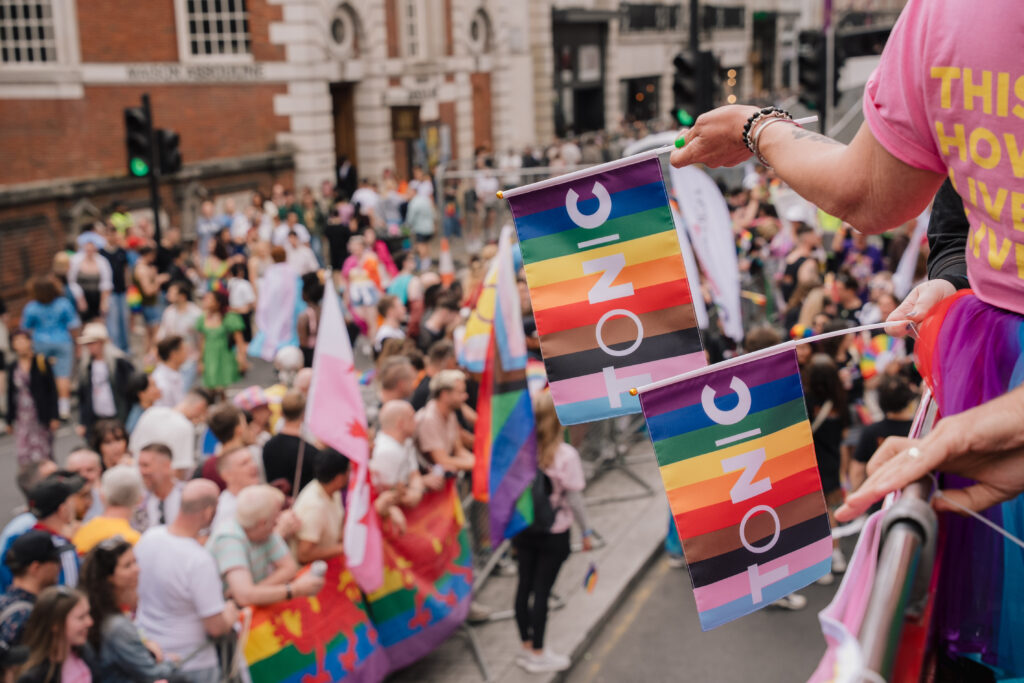
Why do we need Pride?
June is traditionally called Pride month because that was the month in 1969 when riots took place at a New York LGBTQ+ bar following a police raid, a pivotal moment that ignited the fight for LGBTQ+ rights. While significant strides have been made in the UK, the journey toward full equality and acceptance is ongoing. Legal battles continue, like the fight to ban so-called ‘conversion therapy,’ and disparities in access to essential services persist. Also, LGBTQ+ hate crimes have increased over the past five years. Pride is still important in 2026.
Why do we need Pride in housing and care?
Providers sometimes say that there are no LGBTQ+ people in their services or they assert that their services treat everyone the same. Many assume that general housing and care services can adequately meet the needs of the LGBTQ+ community. However, this assumption overlooks the unique challenges and experiences faced by older LGBTQ+ people.
In 2005 I started a group for older LGBTQ+ people to share their needs and aspirations with housing and care providers. The people at the meeting felt unsafe, even in so-called LGBTQ+ friendly services. They hoped that more services would be LGBTQ+ affirming, where they would no longer be frightened or invisible.
Tonic’s recent research Precarious Lives in 2025 continued to show that some LGBT+ individuals continue to face harassment, loneliness, and hardship (especially people living with long-term conditions, trans people and people from the Black and Global Majority communities).
Tonic Housing started in 2014 by LGBTQ+ people who had experienced homophobia, biphobia and transphobia in services first hand and they wanted to find the answer (or ‘tonic’) to many LGBTQ+ people’s problems. We conducted the largest survey of older LGBT+ people on housing, care, and support which culminated in the Building Safe Choices report in 2020. This showed that older LGBTQ+ people were not seeking exclusive spaces, but rather inclusive and affirming environments that went beyond mere tolerance or “friendliness.” This means creating spaces where no one is excluded, and where the lives and histories of LGBTQ+ individuals are acknowledged and celebrated. This distinction is critical, moving beyond a surface-level acceptance to a deep, ingrained understanding and celebration of LGBTQ+ identities.
What is the UK’s first LGBTQ+ Retirement Community?
For decades, the dream of LGBTQ+ retirement communities seemed a distant reality for those in the UK, as they watched such initiatives flourish in the USA, Sweden, and parts of Europe. In 2021, that dream became a tangible, vibrant reality with the opening of Tonic, the UK’s first LGBT+ affirming retirement community following a loan from the Mayor of London. By the end of 2024, Tonic @ Bankhouse in Lambeth was fully occupied, housing 26 residents in a mix of shared ownership and rented apartments, and the loan was paid back in full. This community isn’t just a place to live; it’s a space where LGBT+ identities and histories are celebrated, where single individuals and couples alike find belonging and understanding.
Bankhouse is a 15-storey building shared with Riverside, who operate an extra care scheme, with care delivered by Care Outlook. Tonic residents live on the top four floors, but we collaborate closely with both organisations in the building to ensure the entire building is a welcoming and affirming environment for LGBT+ people. A Community Agreement, signed by all staff and residents, reinforces this commitment to creating a safe and inclusive space for everyone.
What difference does it make?
One of the most compelling reasons residents choose Tonic Housing is the profound sense of community it offers, combating the pervasive issue of isolation. Loneliness is a serious health concern, and LGBTQ+ people, particularly older people, can be especially vulnerable to it. The fear of homophobia, biphobia, or transphobia in general retirement communities can be a significant barrier, leading many to avoid such settings altogether or to hide their identities from staff and neighbours.
At Tonic, people find a “chosen family,” a supportive network where they can be their authentic selves. Beyond planned activities, the residents of Tonic foster a strong sense of mutual care. They organise their own outings, communal meals, and gatherings, creating a vibrant and interconnected community. When someone needs support, they have their chosen family to rely on, a network of individuals who understand and care for them.
Tonic’s commitment extends beyond creating a place to live well; it also strives to create a place to die well. The community has supported two residents through their end-of-life, reflecting on legacies and finding solace in shared grief.
Tonic has become more than just a housing project. We welcome other members of the LGBT+ communities from across London into our community for events and activities. This has attracted visits by universities and organisations from around the world, including Canada, Korea, the Czech Republic, Japan, Finland, and Norway, to learn from Tonic’s innovative approach.
The success of Tonic relies heavily on community involvement because we are a small staff team. Over 30 volunteers play a crucial role, particularly in running our weekly bar, organising community events, offering companionship to residents and sharing specific skills and expertise.
Are there any more dreams?
Opening Tonic @ Bankhouse is not the end of the dream. Tonic became a Registered Social Landlord in 2025, which means we can access government development grants and offer social rented housing. We would like to expand our offer to our communities and work with other LGBTQ+ organisations to offer more housing solutions.
What can you do?
Housing and care providers can work with LGBTQ+ organisations to open specific services for their communities. While the need for more specific housing and care services is undeniable, it’s equally important to ensure that existing services are equipped to understand LGBTQ+ people’s experiences and provide appropriate support, rather than expecting LGBTQ+ individuals to constantly explain their stories. Too many older LGBT+ individuals have had to settle for unsafe or unsuitable accommodation, but they deserve the best housing with the best care and support services.
Pride is a month of celebration but it is also a time to challenge for more rights and more affirming services. Rights can be eroded as well as gained and some are still receiving poor services.
In the words of one of the Tonic residents: “Why should we only have to be accepted? Accepted is almost like tolerated. But affirmative is: you don’t have to explain anything, you’re part of us.”
Bob Green OBE
Head of Operations, Tonic Housing